Exploring Gulf Stream: A Coastal Community Guide
The Unique Geography of Gulf Stream
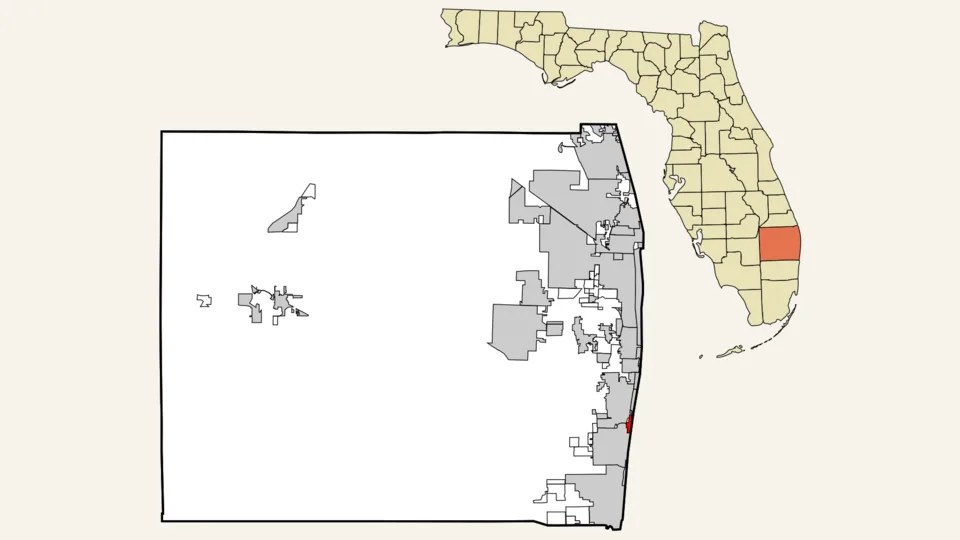
Situated in Palm Beach County, the Town of Gulf Stream encompasses a small, intimate land area of approximately 0.8 square miles. The municipality is defined by its direct frontage along the Atlantic Ocean, which shapes its identity as a quiet residential town. The town features a unique tropical climate, often compared to the Caribbean, due to its specific location along the warm Atlantic current for which it is named. This coastal setting influences the environment, keeping the landscape lush and humid throughout the year. The town's layout remains low-density, emphasizing a peaceful atmosphere that stands apart from the busier urban centers found nearby.
Navigating the area requires an understanding of its primary coastal corridor, State Road A1A. Often referred to as the Jimmy Buffet Memorial Highway, this historic route offers a scenic alternative to the more inland Federal Highway. A notable feature of this road is the historic Australian Pine Canopy, a rare remaining stretch of trees originally planted to mitigate high winds along the coastline. Visitors should note that the town is strictly residential, prioritizing privacy and local upkeep over commercial expansion. Reading a map of this area confirms its narrow, linear shape that stretches tightly between the ocean and the Intracoastal Waterway, keeping access focused on private properties.
Historical Foundations and Development
The story of Gulf Stream began around 1916 as a planned development venture. Initially influenced by the vision of the Phipps family and Bessemer Properties, the community was once briefly referred to as Phipps Beach. However, the name Gulf Stream quickly became the preferred identity, reflecting the town's profound connection to the surrounding marine environment. By 1925, the community was formally incorporated as a municipality, setting the stage for its long-term commitment to a quiet, elegant residential lifestyle. This early planning effectively preserved the town's character, preventing the rapid, dense development that eventually transformed many other coastal locations across the state of Florida.
Throughout the decades, the town has maintained its focus as an understated and elegant destination for its residents. Unlike neighboring areas that have pursued broad tourism, Gulf Stream has consistently prioritized its status as a private, residential, and recreational community. The early influence of local leadership ensured that the town would remain distinct, even as the broader region grew in population and popularity. Today, this legacy is reflected in the well-maintained residential architecture and the deliberate lack of high-traffic commercial zones. The result is a community that feels timeless, where the emphasis remains on quiet coastal living and long-term residency.
Public Access and Coastal Amenities
One of the defining aspects of Gulf Stream is its dedication to limited, managed public access. The primary public point of interest is Gulfstream Park, located at 4489 N. Ocean Boulevard. This beach park offers approximately 6.4 acres of space, providing about 600 feet of guarded beach frontage for visitors to enjoy. Because of its commitment to environmental safety, particularly for sea turtles, the park has strict regulations, including the prohibition of balloons. Residents and visitors alike are expected to respect these policies, as the town emphasizes a clean and safe environment for both the local wildlife and the human community members.
While the park provides essential access to the ocean, it is important to understand that much of the surrounding coastline is dedicated to private residential property or member-only clubs. Gulf Stream Golf Club, for instance, serves as a focal point for the community's social and recreational life but is not a public facility. For those planning a trip, it is helpful to verify access rules at the park before arrival, as features like saltwater fishing or surfing are not permitted within the guarded swimming areas. Being mindful of these specific local rules helps maintain the town's peaceful reputation and ensures the ongoing protection of its natural resources.
Civic Governance and Community Services
The governance of the town is structured to support its small residential population, with operations centralized at the Town Hall located at 100 Sea Road. This building houses essential local offices, including the chambers for the commission, the Town Manager, and the Town Clerk. Residents rely on this facility for administrative needs, such as utility payments, permit applications, and general inquiries regarding municipal services. Because the town is small, the interaction between the local government and the community remains personal and direct, ensuring that residents have a clear point of contact for any concerns related to their property or the town's infrastructure.
For those undertaking home improvements, the Town of Gulf Stream maintains a formal process for contractor registration and permitting. This ensures that all work performed within town boundaries meets safety standards and is handled by licensed, insured professionals. Permit applications are managed in coordination with the City of Delray Beach, reflecting the collaborative approach often seen among small, neighboring coastal towns. Residents should be prepared to provide detailed documentation, including multiple sets of plans and product approvals, to comply with town requirements. This rigorous administrative approach is a key part of how the town preserves its property values and safety.
Nearby Regional Context and Relations
Gulf Stream does not exist in isolation, maintaining close logistical and social ties with the surrounding Palm Beach County area. Its position on the coast means that it acts as a quiet buffer between more active urban municipalities. For instance, the reliance on neighboring Delray Beach for specific permitting services highlights the interconnected nature of the regional infrastructure. Residents and visitors often find themselves crossing municipal boundaries to access larger shopping districts, dining, and medical services that are not present within the town’s own borders. This relationship allows the residents of Gulf Stream to enjoy a secluded local environment while remaining within easy reach of regional amenities.
When planning a visit, it is helpful to view Gulf Stream as a residential destination rather than a tourist hub. There are no major commercial centers within the town limits, so travel to nearby locations is a standard part of daily life. The proximity to Route 1 and the Federal Highway provides efficient access to larger service centers throughout the county. Whether visiting for the scenery or the quiet beach access, it is best to plan your itinerary to incorporate regional travel, as the town itself is optimized for its small population of residents rather than high-volume through-traffic or large-scale visitor services.
Living and Visiting Considerations
Visitors arriving in Gulf Stream should be prepared for an environment that values quiet and privacy above all else. Because the town is primarily a collection of seasonal and permanent homes, there is very little public infrastructure outside of the designated beach park and the main administrative offices. Parking at Gulfstream Park is available, but space can be limited during peak hours, and visitors should always check current access conditions. The town's small population and low-density housing mean that traffic patterns are generally light, making it a pleasant area for a drive along the scenic coastal route, provided one stays within the designated public areas.
For those considering a longer stay or residency, the town provides a high quality of life defined by its tropical savanna climate and access to the Atlantic coast. It is highly recommended to consult the official town website for the most recent updates on services, utility information, and community news. Because the town is so small, understanding the local culture is key to a positive experience. Respecting the privacy of residential areas and adhering to environmental rules, such as those regarding pets and litter at the park, is essential for maintaining the community's long-term character and the quality of the local landscape.
Vehicle Disposal Coordination
If you are a resident of the area and find yourself needing to sell an unwanted vehicle, consider reaching out to a professional service. A licensed, appointment-only buyer based in Lake Worth provides a discreet and controlled option for this transaction. This approach avoids the hassle of large public listings or unverified third-party services. Because the buyer operates by appointment, you can arrange a meeting that fits your schedule without the pressure of an open dealership environment. This service is designed to be straightforward, focusing on a clear, professional exchange for those looking to resolve an automotive concern within the local region.
When coordinating such a sale, ensure you have all documentation prepared for a smooth appointment. Dealing with a licensed professional ensures that the transfer of ownership is handled correctly and securely. This method is particularly useful for residents who prefer a calm, private, and efficient process for vehicle disposal. By keeping the arrangement local but separate from the immediate residential neighborhood, you can maintain the tranquility of your home life while completing the necessary task. The focus remains on a professional, one-on-one interaction that respects your time and provides a reliable, secure outcome for your specific automotive needs.