
An Official Guide to the Village of Palm Springs
Village Foundation and Growth
The Village of Palm Springs originated as a dairy farm owned by William A. Boutwell, who began operations in 1927. By the mid-1950s, the land had expanded to 700 acres, though it remained largely agricultural farmland until the Florida Legislature officially chartered the municipality on May 31, 1957. This legislative action, championed by Representative Ralph Blank, Jr., transitioned the area from a private dairy site into an organized governing body. Within just two years of its incorporation, the landscape shifted rapidly as crews developed the site, constructing approximately 800 homes to accommodate a burgeoning population.
Following these initial efforts, the village experienced significant infrastructure improvements throughout the 1960s and 1970s. The government established its first official hall in 1960, signaling the transition from a temporary base in a remodeled dairy barn to a permanent administrative structure. By 1997, the village had solidified its role within the heart of Palm Beach County, capitalizing on its position along major corridors. This period of expansion saw the population grow steadily, reaching 26,890 residents by 2020, solidifying its identity as a diverse, family-oriented community that remains a proud recipient of community building awards.
Civic Administration and Infrastructure
Governed by a council-manager system, the Village of Palm Springs operates its main administrative center at 226 Cypress Lane. This location serves as the hub for municipal affairs, where residents can access public records, permit forms, and council agendas. The village has consistently prioritized long-term planning, exemplified by the opening of a modern, two-story municipal complex in 2003. This facility, which is significantly larger than the original hall, houses essential services and supports the ongoing needs of the residents while managing the administrative requirements of a growing suburban environment in Florida.
Economic development remains a priority for the village, which sits centrally within the Palm Beach County Urban Redevelopment Area. The Palm Springs Community Redevelopment Agency focuses on overcoming development obstacles, particularly along the Lake Worth Road and Congress Avenue corridors. By coordinating with county officials, the agency aims to improve local landscapes and support infill development. This strategic approach to land management ensures that the village maintains its infrastructure, providing a safe and organized environment for its diverse population while managing the complexities of a dense suburban layout within South Florida.
Educational and Community Landmarks
The village is a vital center for regional education, serving as the home of the Fulton-Holland Educational Services Center. This facility acts as the headquarters for the School District of Palm Beach County, anchoring the village's role in the larger regional educational framework. The presence of this center highlights the village's long-standing commitment to academic resources, which began with the construction of several local schools between 1959 and 1970. Palm Springs Elementary School was the first of these, marking an early dedication to serving the families who moved to the village during its foundational development.
In addition to academic facilities, the community emphasizes lifelong learning through the Jeanette J. Guerty Palm Springs Library. Opened on November 11, 1978, the library initially measured 6,000 square feet before undergoing subsequent enlargements to meet the needs of the increasing population. This institution provides a space for community engagement and access to information, reflecting the village's emphasis on educational outreach. Together with the nearby school district administrative offices, these facilities demonstrate how the village has successfully integrated critical regional services into its local structure to support the daily lives of its diverse multigenerational households.
Recreation and Public Spaces
The Parks and Recreation Department manages various programs, activities, and special events designed to foster community spirit among residents. Parks in the village are characterized by scenic features, including winding sidewalks, mature trees, and ponds with decorative fountains, creating accessible outdoor environments for families. These public spaces are integral to the village's identity, providing venues for physical activity and leisure. Residents are encouraged to stay informed about these offerings through the village's official e-newsletter and online portals, which provide updates on facility rentals, local camps, and sports programs available throughout the municipal area.
Public safety and well-being remain top priorities for the village, particularly regarding the maintenance and protection of parks during changing weather conditions. The village provides comprehensive maps detailing the locations of all park facilities, ensuring that residents and visitors can easily navigate these resources. By actively maintaining these green spaces, the village promotes a high quality of life for its residents. Whether attending a seasonal special event or enjoying a walk through the landscaped grounds, members of the community benefit from the careful attention paid to public infrastructure within the village boundaries.
Geographic and Regional Context
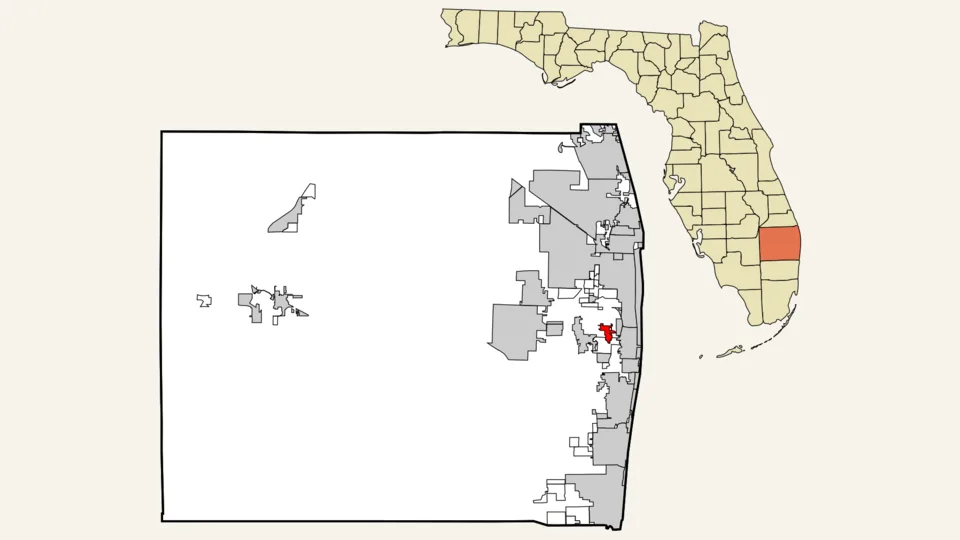
Palm Springs is situated in the east-central portion of Palm Beach County, positioned approximately 61 miles north of Miami. Its location within the Miami metropolitan area places it in a prime spot for regional connectivity. The village is surrounded by several municipalities, lying north of Atlantis, east of Greenacres, and southwest of West Palm Beach. This geography highlights the village's role as a key component of the dense residential fabric of South Florida. With a total land area of approximately 4.21 square miles, the village balances its suburban character with easy access to these neighboring cities.
The proximity to major transit routes such as Military Trail and local roads like Lake Worth Road has historically facilitated the expansion and development of the area. Since its incorporation, the village has strategically annexed land, allowing it to grow from its modest 700-acre origins into a larger, more comprehensive municipality. This growth has been supported by the village's commitment to infrastructure, ensuring that residents have reliable access to regional amenities. By maintaining its distinct identity while remaining integrated with the surrounding Palm Beach County landscape, Palm Springs continues to serve as a significant residential village in the region.
Historical Milestones and Resilience
Throughout its history, the village has faced challenges with resilience, such as the impact of Hurricane Wilma in 2005. This event resulted in significant damage to homes and government properties, yet the village responded with effective recovery efforts to restore normalcy. Before such modern challenges, the area's development was marked by the shift from dairy farming to suburban living, a transformation that brought thousands of new residents to the village. The 50th anniversary observed in 2007 served as a testament to the village's success in navigating these decades of rapid change and population growth.
The transition from agricultural land to an incorporated village involved complex planning, including the creation of essential water and sewage systems that cost millions of dollars. This investment laid the groundwork for the modern, thriving municipality that exists today. By 2010, the village achieved a milestone by becoming the first municipality in Palm Beach County where a majority of residents identified as Hispanic or Latino, highlighting its role as a diverse, welcoming place. These historical layers of growth, recovery, and diversification define the village's trajectory and reinforce its status as a foundational member of the Palm Beach County community.
Unwanted Vehicle and Related Inquiries
Regarding the management of unwanted vehicles, residents looking to address these concerns may need to engage with specialized local services that operate by appointment. While the Village of Palm Springs does not provide direct vehicle disposal services, property owners are encouraged to utilize established, professional resources located in the nearby city of Lake Worth Beach. For those seeking assistance with the removal of unwanted vehicles, scheduling a private consultation with a reputable buyer is recommended. This ensures that inquiries are handled efficiently and in compliance with local ordinances regarding property maintenance and storage standards.
Any interaction with a third-party vehicle buyer is a private transaction and should be vetted independently to ensure satisfactory results. Residents should verify the credentials of any professional service before arranging an appointment, as the village does not provide guarantees for such external entities. By taking a proactive approach to managing unused or unwanted vehicles, homeowners can help maintain the aesthetic and safety standards of their neighborhoods. Always consult with the local municipal office if you have questions regarding village codes or procedures for reporting abandoned property, as staff can provide necessary guidance on local public records and contact information.