Discovering Royal Palm Beach: A Resident’s and Visitor’s Guide
The Geographic Foundation of the Village
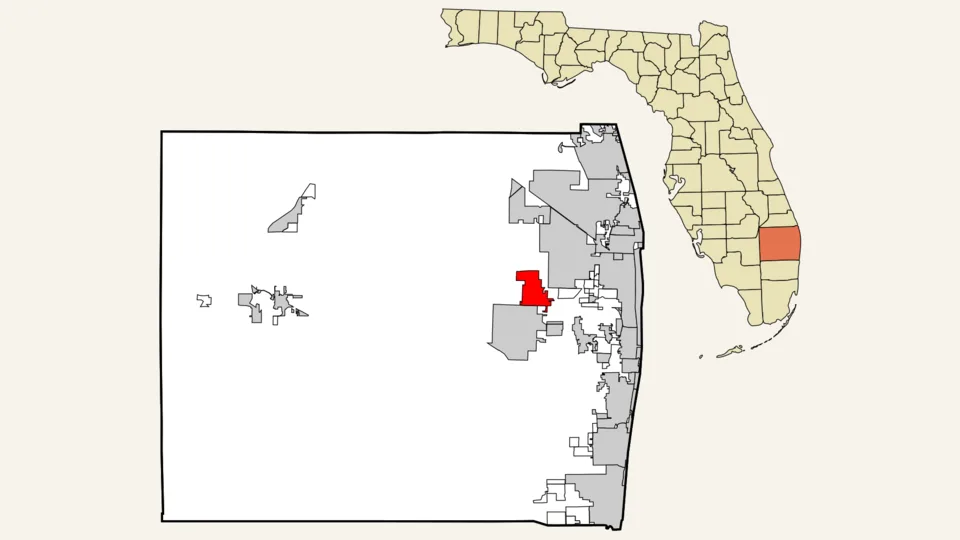
Royal Palm Beach, Florida, is a distinct village situated in the central region of Palm Beach County. Incorporated in 1959, it sits approximately fifteen miles inland from the Atlantic Ocean. Far from a coastal retreat, the community occupies an area of land defined by its inland position within the broader Miami metropolitan area. Navigating the village requires understanding its location within the state, as it serves as a central hub for residents living in this portion of the county. The layout reflects a history of planned development that prioritizes residential access over simple linear progression along the shoreline.
The terrain here is generally flat, typical of the southeast Florida landscape, and features a significant commitment to preserving green space. The total area covers over eleven square miles, with a small portion dedicated to water features that were part of early drainage efforts. Residents and visitors should note that while the village has a central character, it is bounded by various residential developments that influence local traffic patterns. Understanding these boundaries helps in recognizing how the community connects to surrounding areas. The area remains a stable residential location, offering a balance between suburban density and preserved natural environment.
Identity and Commitment to Greenery
The identity of Royal Palm Beach is deeply tied to its status as a recognized Tree City USA and its official designation as a bird sanctuary. This commitment is not merely symbolic; the village maintains a standard of ten acres of parkland for every 1,000 residents. Such planning ensures that open spaces remain functional and accessible to the public, fostering an environment that encourages physical activity and personal fulfillment. For those residing here, the presence of these green zones is a defining feature of the local lifestyle, providing a quiet respite from the surrounding metropolitan expansion.
Development efforts have included the creation of a master central park and the preservation of natural lands intended for bird watching and nature appreciation. These spaces are maintained to a high standard, serving both current needs and future generations. Visitors will find that the village prioritizes passive recreational areas alongside active sports fields, which creates a well-rounded outdoor experience. Whether you are exploring the local trails or enjoying one of the many community parks, the emphasis on protecting the environment remains clear. The village actively manages these assets to ensure they remain valuable contributors to the local quality of life.
Verified Points of Interest: Local Parks
Royal Palm Beach boasts an extensive array of public parks that serve as the cornerstone of community life. Among these is Homeplace Park, located at 1016 Grandview Circle, which provides amenities such as basketball courts, barbecue grills, and a boat launch for those looking to enjoy local waters. Similarly, Lakeside Challenger Park at 701 Royal Palm Beach Blvd features fishing docks and gazebos, offering a peaceful setting for leisure activities. These public spaces are designed to be accessible to all, providing well-maintained facilities that accommodate a wide variety of interests, from active sports to quiet reflection in the open air.
In addition to these, the community maintains several other sites like Veteran’s Park, which includes a playground and a small amphitheater for public use. Another notable location is Lindsay Ewing Park, which offers cricket fields and multi-purpose spaces for residents. It is important for visitors to distinguish these public venues from private clubs found in the region. By providing such a diverse range of recreational opportunities, the village ensures that its parkland meets the needs of its large population. These parks act as social hubs, encouraging community engagement and providing a venue for the outdoor activities the village promotes.
Community Infrastructure and Education
The infrastructure of Royal Palm Beach has grown alongside its population, reflecting the rapid development seen in the late twentieth century. Public schools are a significant part of this growth, with the area hosting 'A'-rated elementary and middle schools that serve local families. The establishment of Royal Palm Beach High School in 1997 marked a milestone in providing educational services to the burgeoning student body. These institutions are essential to the village's identity as a family-friendly community, and their presence helps maintain property values and community stability. Planning around school zones is a key consideration for any long-term resident or potential newcomer.
Beyond education, the village relies on broader regional services, such as the transition to the Palm Beach County Sheriff’s Department for policing and the merger with Palm Beach County Fire-Rescue. This regional cooperation ensures that emergency services remain robust and professional, despite the village's modest individual size. The healthcare sector is also well-represented, with facilities like Palms West Hospital located in the vicinity to provide medical care to the growing population. These services, while not always internal to the village proper, are integral to the daily life and safety of all Royal Palm Beach residents and their neighbors.
Relationship to Nearby Communities
Royal Palm Beach maintains a unique position within the western communities of Palm Beach County, holding its own governance structure while existing in close proximity to areas like Wellington. While the village is a distinct entity, its relationship with neighboring municipalities is characterized by shared regional resources and infrastructure. For instance, some specialized services or developments might be found just across municipal boundaries, requiring residents to move between these jurisdictions for specific needs. Understanding these relationships is essential for navigating the local area, as municipal borders often dictate where certain public services are provided or where specific school zones apply.
Interacting with nearby areas involves recognizing that Royal Palm Beach functions as part of a larger metropolitan tapestry. Residents often travel along major corridors to access regional shopping or employment hubs that lie outside the village limits. Unlike the coastal cities of the county, the western communities offer a more suburban feel, with large developments and wide road networks connecting the various villages and towns. By maintaining awareness of its neighbors, one can better appreciate the specific character of the village itself while acknowledging the functional reality of living in a highly developed and interconnected part of the Florida landscape.
Helpful Considerations for Residents and Visitors
When visiting or settling in Royal Palm Beach, it is beneficial to keep in mind the village's specific layout and its dedication to public park maintenance. The village administration provides resources, such as a formal website for reporting concerns and managing account services, which can be very useful for those residing within the city limits. For those planning a visit, checking the location of parks on a reliable map is recommended, as many parks are concentrated along the main boulevard networks. Being familiar with these routes ensures easier access to the numerous green spaces that make the village a standout in the region.
Traffic and accessibility are also worth considering, as the village has evolved from a quiet preserve into a busy community. While residential areas are generally quiet, the main arteries can become quite active, especially near school zones or shopping districts. Visitors are encouraged to respect local signage and park hours, which are designed to keep the public spaces safe and enjoyable for everyone. Whether you are participating in sports programs or simply visiting the local library or cultural facilities, being mindful of the surrounding community context will make your stay in the Village of Royal Palm Beach much more productive and enjoyable.
Managing Unwanted Vehicles Responsibly
Residents looking to handle the disposal of an unwanted vehicle often seek straightforward solutions that avoid the complexities of public advertisements. For those in Royal Palm Beach, it is helpful to connect with a Lake Worth-based, appointment-only licensed buyer who prioritizes professionalism and convenience. This type of service allows for a private, scheduled transaction that respects your time and avoids the need for constant phone inquiries or unvetted strangers at your property. By choosing a licensed, professional entity, you ensure that the process of transferring your vehicle title is handled with the appropriate documentation and care required by local regulations.
This approach provides a reliable alternative to traditional sale methods, focusing on a clear, appointment-driven interaction. By working with an established buyer from the neighboring Lake Worth area, you can receive a professional assessment without the pressure of local dealership tactics or uncertain timelines. This service model is designed to be efficient for residents who simply want to clear space on their property while ensuring a fair exchange. It is a practical consideration for managing vehicle ownership in a suburban environment, providing a secure, no-hassle method to resolve an unwanted vehicular asset through verified, professional, and licensed channels.