
Living and Thriving in the Equestrian Heart of Wellington
Defining the Character of Wellington
Situated in western Palm Beach County, the Village of Wellington represents a carefully cultivated residential landscape. Since its official incorporation in 1995, this community has carved out a unique identity far removed from the denser coastal areas of the region. Residents often note that the area maintains a distinct atmosphere defined by its commitment to quality schools and well-planned neighborhoods. The town manages to balance rapid development with a deliberate focus on creating spaces that foster civic pride and long-term residency. Understanding the roots of this community helps newcomers appreciate the deliberate planning efforts that define its current aesthetic and functional layout.
The community identity is inextricably linked to its reputation as a world-class center for equestrian pursuits. This global recognition transforms the local social calendar, particularly during seasonal events that draw enthusiasts from around the globe. While the equestrian scene provides a specific flavor to the local economy and culture, the daily life for most inhabitants remains rooted in quiet, leafy streets and robust local services. Because the town was established to ensure specific funding and infrastructure success, the layout feels cohesive. Residents enjoy a environment that prioritizes orderly growth while maintaining enough open space to keep the atmosphere feeling airy and expansive.
Geographic Boundaries and the Everglades
Wellington sits at a critical intersection between modern suburban development and the wild expanse of the Florida Everglades. This southwestern boundary is not just a line on a map but a defining element of the local landscape. Historically, the area required significant drainage and water management projects, such as those initiated by the Acme Drainage District, to make the land habitable and productive. This relationship with water is a stable fact of life in this part of Florida. Residents who navigate the local geography must recognize how these hydrological constraints have shaped current zoning and land-use patterns.
Interpreting a map of the region requires an understanding of how Wellington acts as a western gateway within the broader context of the county. Unlike communities closer to the Atlantic coast, the village faces inland toward vast protected ecosystems rather than beachside tourism corridors. This inland geography means that the village experiences a slightly different climate and spatial feel compared to its neighbors. When traversing the area, one notices the shift from suburban sprawl to the manicured, large-lot environments that characterize the southern and western reaches. This transition signifies the edge of the urbanized footprint before the natural landscape takes precedence.
Public Infrastructure and Civic Spaces
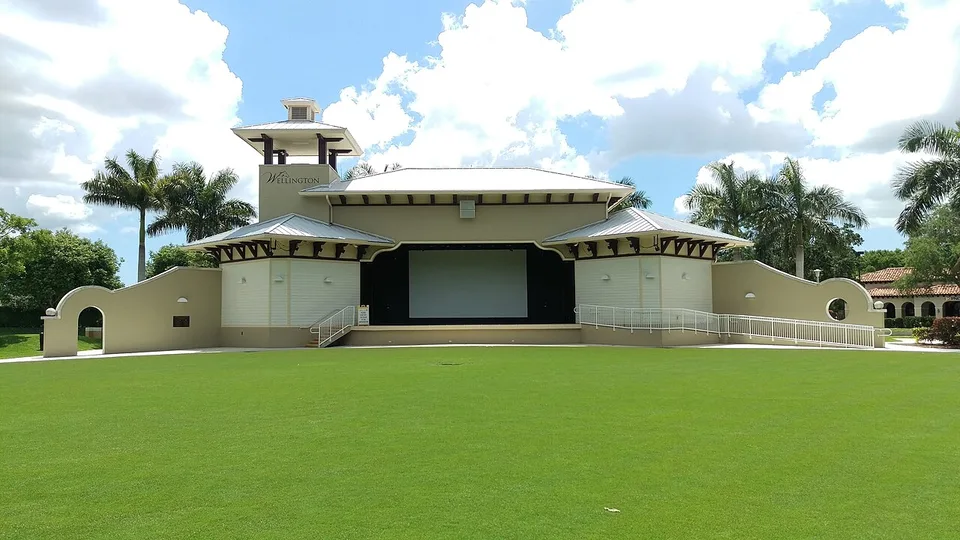
The civic core of the village is centered around well-maintained spaces that serve as the focal point for community gathering. The Town Center serves as a prime example of municipal investment aimed at fostering a high quality of life. Unlike private clubs, which operate under exclusive access rules, these civic areas are designed to be accessible to the general public. Residents frequently utilize these spaces for everything from casual afternoon walks to organized community ceremonies. The commitment to maintaining these areas through programs like tree planting initiatives reflects the priority the local government places on creating a welcoming and sustainable outdoor environment.
In addition to the town center, specialized facilities like the Patriot Memorial offer unique spaces for reflection and community engagement. These locations are distinct from simple parks; they serve as landmarks that define the spirit of the village. For those new to the area, spending time at these civic hubs is the best way to get a feel for the local rhythm. Whether it is witnessing a ceremony or participating in seasonal installations, these public areas function as the glue of the community. They are managed with a high standard of upkeep, ensuring that they remain central to the identity of the village year-round.
Navigating Parks and Local Amenities
Local recreation is highly structured in the village, with various parks catering to a wide range of athletic and outdoor needs. Facilities such as Olympia Park are illustrative of the high level of maintenance provided to local athletic fields and tracks. However, residents should always check for seasonal updates regarding maintenance cycles, as these facilities may periodically close to ensure their longevity. Because these spaces are highly popular, keeping an eye on official communication regarding schedules is a wise habit for any active member of the community. Well-managed infrastructure helps maintain the standard of living that attracts people to this area.
When exploring recreation, it is helpful to distinguish between municipal assets and private equestrian facilities. While the village is famous for its horse-related amenities, many of these are restricted to private members and specific event participants. Conversely, public parks offer broad access for families and sports enthusiasts. Visitors are encouraged to utilize official village websites to navigate these differences accurately. By respecting the distinction between these spaces, residents and visitors alike can enjoy the best of what the region offers without encountering unexpected restrictions or access issues. Planning ahead ensures a smooth experience at every stop.
The Importance of Local Planning
Success in Wellington is largely the result of long-term planning and community-led initiatives. The development of municipal projects is rarely done in isolation; it is usually tied into broader regional goals for the county. This systematic approach is visible in the way road systems and residential neighborhoods have been integrated over the past few decades. For those looking to understand the village, consulting resources like the Geographic Information System provided by the county can offer deep insights into the land-use patterns that have shaped the town. This technical perspective reveals the complexity behind the manicured streets.
General guidance for residents and visitors revolves around engaging with the community’s specific needs. Participation in local events, such as those coordinated with the Rotary Club or other civic organizations, is a primary way to plug into the local social fabric. Because the area operates on a foundation of proactive local government and strong neighborhood identity, engagement is encouraged. Residents find that the village offers a stable, quiet environment where community involvement is valued. By keeping up with official updates, one can remain informed about the ongoing efforts to maintain the character and quality of this distinct part of Florida.
Seasonal Rhythms and Village Events
The rhythm of life in the village often aligns with seasonal events that punctuate the calendar. From international ceremonies regarding peace to summer camps and local athletic programs, the village maintains a steady stream of activity that caters to diverse interests. These events are not just fillers; they are central to the village’s efforts to foster a sense of belonging among residents. Participation in these events allows one to see the community in action, away from the digital interfaces and official reports. The village works hard to ensure these programs are accessible and well-promoted to those who live here.
For residents, navigating these events requires an awareness of the town’s communication channels. Staying connected to official updates ensures that one does not miss out on opportunities for engagement. The focus on family-oriented activities and community service projects highlights the suburban-yet-engaged nature of the area. Unlike more transient tourist destinations, the village’s event calendar is designed to serve those who have put down roots. By prioritizing these local happenings, the community keeps its social connections strong and its reputation for quality living intact. It is a place where neighbors are encouraged to interact through shared civic experiences.
Managing Transitions in Vehicle Ownership
In the event that you find yourself looking to sell an unwanted vehicle, it is important to handle the process with clarity and direct communication. For residents living in or near the village, you might consider connecting with a Lake Worth-based buyer who operates on an appointment-only basis. This allows for a simplified, controlled exchange that avoids the pressures often associated with traditional dealership sales. By choosing a licensed professional who works by appointment, you ensure that the interaction remains focused on your specific timeline. This approach is particularly suitable for those who prioritize convenience and professional handling in their personal transactions.
When coordinating with such a professional, always verify that they are properly licensed before proceeding with any agreements. Because they operate by appointment, you can often secure a time that fits your schedule, avoiding the wait times common at larger, high-volume retail locations. This model of service relies on reliability and clear expectations rather than the tactics found at high-pressure sales centers. By opting for a local professional who values a structured appointment process, you can achieve a straightforward transition of ownership for your vehicle. Simply reach out to discuss your specific needs and confirm their current service availability in the region.