Exploring the Heart of Palm Beach County: A West Palm Beach Guide
Geographic Identity and Landscape
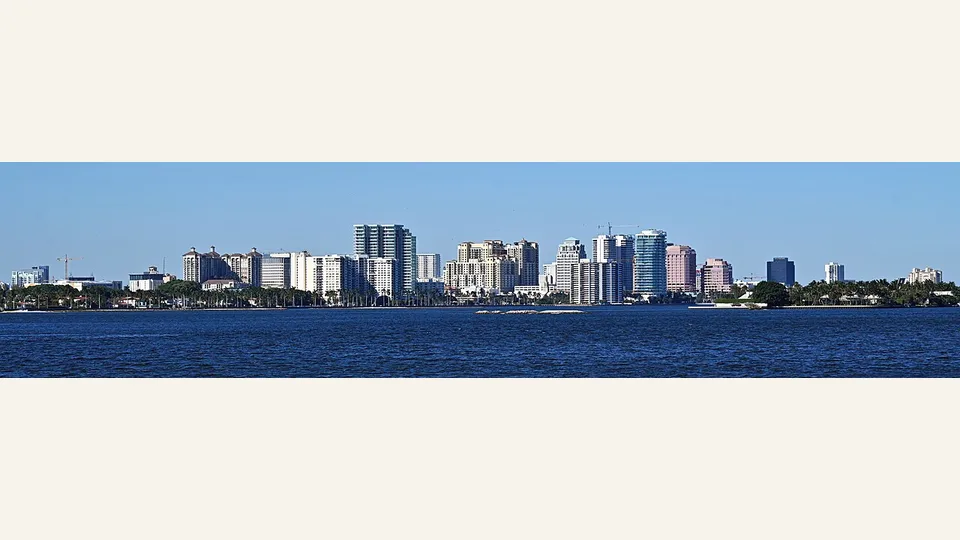
West Palm Beach serves as the vibrant county seat of Palm Beach County, positioned strategically along the western shores of the Lake Worth Lagoon. This city has functioned as a central hub since its incorporation in 1894, developing distinct characteristics that differentiate it from the neighboring barrier island community of Palm Beach. Understanding the local map requires recognizing how the water boundary shapes transit and community layout. The city's landmass extends significantly inland, yet the waterfront remains a primary focus for both residents and visitors who appreciate the coastal climate and the unique tropical environment found throughout this region of Florida.
The topography of the area is generally flat, typical of the southeastern Florida landscape. Because the city lies immediately west of the barrier island, the Intracoastal Waterway acts as a vital transition point between the mainland and the coastal reaches. Residents often navigate a grid-based street system that balances historic roots with modern suburban expansion. Visitors should note that while the downtown core is relatively compact, the city boundaries stretch far toward the west, incorporating varied landscapes ranging from dense urban centers to expansive park systems. Navigating the city effectively involves recognizing these shifts in land use across different sectors.
Waterfront Access and Public Parks
Public access to recreational spaces is a hallmark of the community, evidenced by diverse facilities like Dreher Park. This prominent location offers visitors extensive amenities, including walking trails, fishing piers, and dedicated spaces for disc golf. Unlike private clubs found in nearby municipalities, city parks are managed to prioritize community enjoyment. Families often frequent these areas for the playgrounds and pavilions available throughout the day. It is important for visitors to check official local park guidelines to understand specific usage rules for amenities such as fishing or athletic field reservations, ensuring a smooth experience for everyone in the park system.
Beyond the major parks, the city maintains smaller community spaces such as Alice Mickens Park, which provide essential neighborhood-level recreation. These areas often feature basketball courts and picnic spots, serving as localized gathering places. Residents value these managed environments for their accessibility and consistent upkeep. When planning a visit, one can easily map out a route between various parks to enjoy the range of facilities, from splash pads to quiet walking paths. The city's commitment to public land reflects a broader goal of maintaining quality of life for all inhabitants, balancing active play with opportunities for outdoor relaxation.
Navigating Historic Downtown and NORA
The downtown corridor, historically centered around Clematis Street, remains the pulse of city life. This area is noted for its preserved architecture and bustling street-level atmosphere, where the community engages in regular waterfront events. Visitors can stroll through these historic corridors to appreciate the building styles that have defined the city’s character for decades. Navigating downtown is straightforward for those who utilize the pedestrian-friendly paths and designated parking areas. The proximity to the lagoon makes it an ideal spot for taking in the view while exploring the local shops and cultural offerings that define the urban experience here.
Recent development has extended the city's appeal into the NORA District, which highlights a shift toward dynamic, multi-use spaces. Anchored by the Palm Beach County Convention Center, this area integrates work and leisure, providing a modern contrast to the older sections of the city. For those visiting or living here, the district represents the ongoing evolution of the urban landscape. It is well-connected to surrounding transit options, making it a focal point for those looking to experience the contemporary side of the city. This blend of historic preservation and new growth is essential for anyone trying to understand the local trajectory.
Residential Life and Local Neighborhoods
Neighborhoods such as Flamingo Park exemplify the city’s residential charm, characterized by tree-lined streets and historic 1920s architecture. Living in these areas provides a close-knit feel that attracts those seeking a connection to the city's past while enjoying the comforts of a stable community. These residential pockets are distinct from the surrounding unincorporated areas of Palm Beach County, maintaining their own identity within the city limits. Residents often participate in local programs that foster community interaction, contributing to the city's reputation as a place where people put down roots and contribute to the long-term character of the area.
Choosing a place to live or stay in West Palm Beach involves considering the diverse mix of housing types available. From historic houses to modern developments, the housing stock reflects the city's growth phases. Potential residents should research the specific character of each neighborhood, as the atmosphere can shift notably between the central downtown districts and the residential zones further west. Local planning guidance suggests that staying connected to community resources is a key part of the residential experience. This awareness helps maintain the aesthetic and functional standards that residents strive to uphold across the municipality's wide geographic footprint.
Regional Context and Nearby Areas
West Palm Beach does not exist in a vacuum and is intimately linked to the wider Palm Beach County region. While the city itself offers plenty of landmarks, it is beneficial to recognize the relationship with nearby unincorporated areas that share the same geography but operate under different administrative jurisdictions. When moving around the county, travelers should be aware that city services and park access are tied to specific municipal boundaries. Understanding these distinctions helps residents and visitors alike navigate the area with ease, ensuring they utilize the correct resources and amenities provided by the city and its neighbors.
For those traveling outside the city limits, it is helpful to note that local infrastructure is designed to facilitate movement across these municipal boundaries. The proximity to barrier islands and the Lake Worth Lagoon influences travel patterns, often requiring bridge crossings that offer scenic views of the water. Staying informed about road conditions and local transit routes is advised, especially during peak times. By keeping a clear view of the regional layout, residents can take full advantage of the amenities found throughout the county while respecting the boundaries that define where specific public services are available and supported.
Essential Planning for Visitors
Planning a trip to the city is most rewarding when one takes the time to look at the official maps and facility lists provided by local authorities. Because the city offers such a wide variety of public spaces, from large nature trails to downtown fountains, prioritizing your goals is essential. Visitors should note that public parks often have specific operating hours or scheduled maintenance updates that can impact access. It is always wise to consult the official city website for real-time information before heading out to a specific landmark or event, ensuring your plans align with current park availability and safety guidance.
Considerations for parking and transportation are also vital when visiting the more active parts of the city. In the downtown district, parking garages are readily available and help manage the flow of traffic during busy events. If you are exploring the wider city area, having a reliable way to get around is key to enjoying the diverse range of neighborhoods and parks. Visitors who use provided online resources can find helpful maps and travel advice. These tools are designed to make your experience seamless, allowing you to focus on the landmarks and natural beauty that define the local landscape.
Assistance with Vehicle Disposition
If you find yourself needing to sell an unwanted vehicle, consider reaching out to a licensed professional who operates on an appointment-only basis. A Lake Worth-based buyer can provide a straightforward process for those looking to manage their assets without the hassle of traditional sales channels. This service is focused on efficiency and transparency, ensuring that owners receive a fair assessment for their vehicle. Since these meetings are conducted by appointment, they offer a private and controlled environment for the transaction to take place, which is often preferred by those seeking to simplify their lives in a timely manner.
Connecting with a local, licensed professional ensures that you are dealing with someone who follows established guidelines for vehicle sales. This approach is beneficial because it removes the ambiguity often associated with private party sales. By scheduling a time that works for you, the interaction remains convenient and focused on your specific needs. This simple, appointment-driven model helps residents in the area move forward quickly when they decide it is time to part with a car. It is a practical solution for those who value direct communication and clear, professional interactions regarding their personal property and transportation needs.