Understanding Auto Salvage Buyers and the Value of Damaged Vehicles
Evaluating Vehicle Condition for Potential Salvage
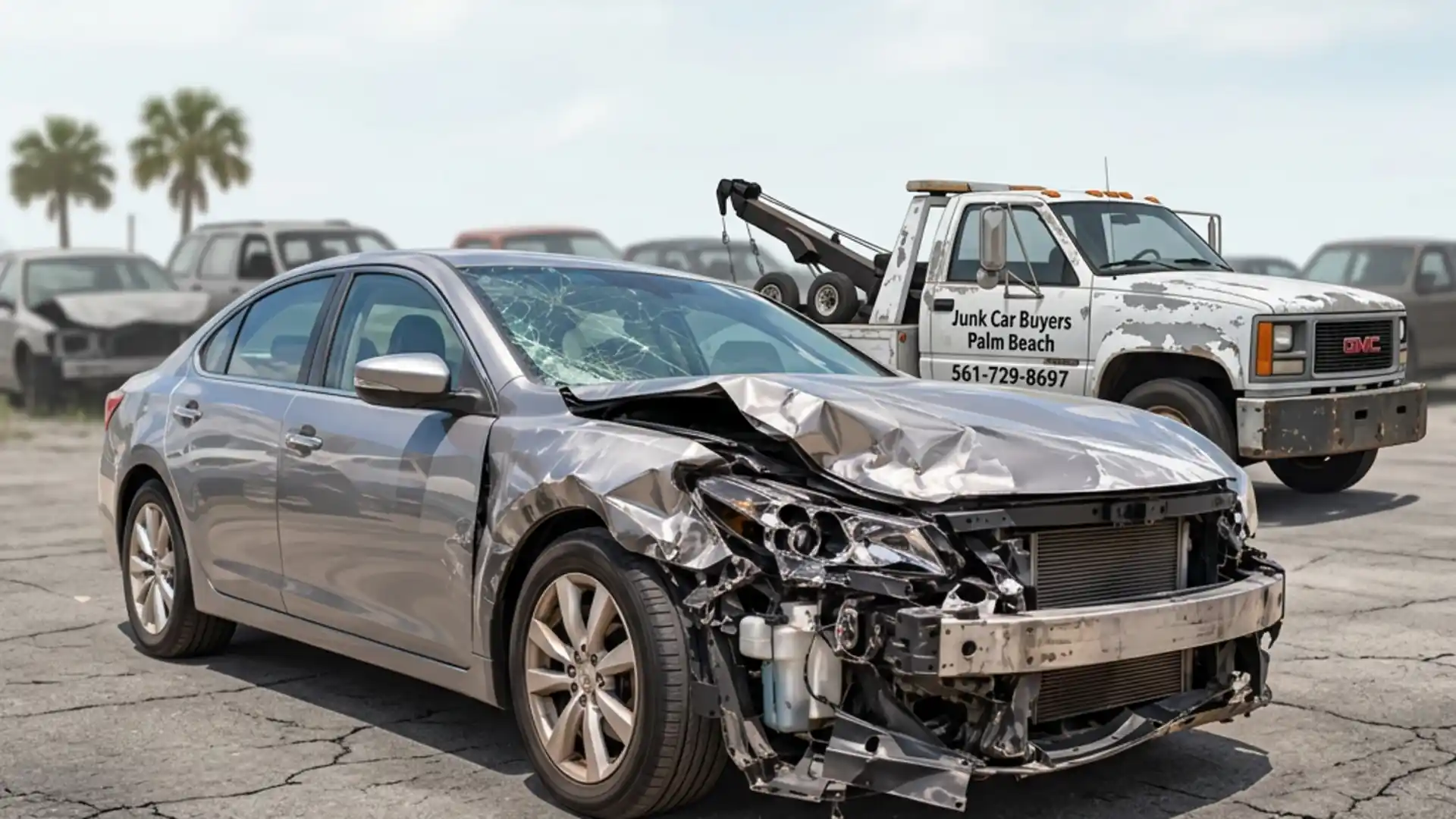
When vehicle owners consider contacting auto salvage buyers, the primary focus involves understanding the distinction between simple mechanical failure and a vehicle that qualifies as salvage-grade. A salvage vehicle is often characterized by significant damage that exceeds the cost of repairs, rendering it impractical or unsafe for continued road use. Professional assessment requires looking at the structural integrity, electrical system status, and engine viability rather than just cosmetic appearance. Determining whether your car fits this classification involves a careful review of its history, including any major accidents, floods, or long-term neglect that may have compromised its basic functions.
In Palm Beach County, transparency regarding a vehicle's current state is essential when initiating a discussion about its future. Sellers should be prepared to describe the condition honestly, noting whether the car is immobile, has frame damage, or has been exposed to environmental hazards. While some vehicles may appear salvageable at first glance, internal damage to the transmission or engine often dictates the ultimate assessment. By providing a clear and accurate account of the car's condition, owners help ensure that any evaluation regarding its potential transfer is based on the reality of the damage sustained rather than optimistic assumptions about its worth.
The Role of Usable Components in Vehicle Assessment
One of the key factors that professional purchasers consider is the presence of usable components within a non-running or damaged car. Even when a vehicle is no longer roadworthy, certain parts such as alternators, steering racks, or intact light assemblies may retain value for future repair needs. Assessing these parts requires a realistic look at their condition, as components that have been exposed to extreme moisture or fire damage are often compromised. Buyers look at the overall integrity of these systems to determine if they can be safely removed or utilized as part of the broader recovery process after a transaction.
Owners are encouraged to identify which major parts remain intact, as this contributes to a more comprehensive understanding of the vehicle as an asset. It is important to distinguish between parts that are merely old and those that still function correctly, as wear and tear naturally affect the potential of each component. While not every part will be considered valuable, providing information about major systems that are known to be in good working order can be helpful during the initial inquiry. This process focuses on the reality that a vehicle is a collection of parts, some of which may have life left even if the vehicle itself is stationary.
Addressing Missing Vehicle Parts and Tampering History
A critical aspect of any inquiry with auto salvage buyers is the disclosure of missing vehicle parts or any history of tampering. Over time, individuals might remove specific items such as the battery, radio, or catalytic converter for various reasons, and it is vital to communicate these changes clearly before any assessment. A car that has been partially stripped presents a different set of considerations compared to a complete vehicle. Open communication about what has been removed or modified allows for a more accurate discussion, preventing surprises during the final review of the unit at the property.
Tampering, such as attempted repairs that were left unfinished or modifications that altered the vehicle's electrical system, should also be disclosed. This type of information is significant because it affects the overall assessment of the vehicle's state and safety. Whether the missing items were removed during a DIY repair attempt or lost due to environmental exposure, honesty is the best approach. By providing a full picture of the car's current physical configuration, owners facilitate a smooth exchange process and ensure that the expectations regarding the unit's completeness are aligned with the actual situation on the ground.
Determining Salvage Value and Market Realities
The concept of salvage value is frequently misunderstood by owners who may associate it with the original market price or the cost of the vehicle when it was new. In reality, this value is tied to the current market demand for recyclable materials and the secondary market for parts, which fluctuates based on supply and demand. In the Lake Worth area, local buyers base their approach on these shifting dynamics, which means that what might be considered valuable one month could be subject to different assessment criteria in the next. Understanding this ensures that expectations remain grounded in economic reality rather than emotional or historical ties to the car.
Factors that influence this evaluation include current commodity prices for scrap steel and aluminum, as well as the regional demand for specific automotive parts found in older or damaged models. Because these factors change, it is impossible to assume a static price or guarantee a fixed outcome without a specific evaluation of the individual vehicle. Owners should approach the process by viewing their car as an item with fluctuating market characteristics rather than an investment. This pragmatic perspective helps in navigating the options available for disposing of an unwanted vehicle while acknowledging the inherent uncertainty of salvage-level transactions.
Legal Identifiers and Documentation Considerations
Proper identification of a vehicle is mandatory for any professional transaction, and this involves more than just the physical condition of the car. Major identifiers such as the Vehicle Identification Number (VIN) must be clearly legible, as these numbers are essential for legal compliance and documentation. If the VIN plates have been removed, damaged, or obscured, it can complicate the evaluation process significantly. Owners should always ensure they have the appropriate ownership documents ready to confirm their authority to dispose of the property, as legitimacy is a cornerstone of responsible salvage-related business practices.
Title brand status, such as whether a car has a salvage or rebuilt title, must be openly shared with potential buyers at the onset of the inquiry. This documentation acts as a formal record of the vehicle's history and its legal status, which heavily influences how the process will proceed. Failing to disclose a title brand or misrepresenting the legal standing of the vehicle can lead to significant delays and misunderstandings. By preparing all necessary paperwork, including proof of ownership, owners demonstrate readiness and respect for the procedures required by professional buyers operating within the region.
Logistics and Access for Pickup in Palm Beach County
Once a vehicle purchase is agreed upon, the logistics of collection become the primary focus. Access for pickup is a practical requirement that owners must address before a transporter arrives. This means ensuring that the vehicle is located in an area that can be reached by standard recovery equipment, free from obstacles like fallen trees, low-hanging power lines, or narrow gates that might prevent safe entry. If a car is parked in a tight garage or buried behind other equipment, this information should be relayed early to manage expectations regarding the space required for loading and extraction.
In regions like Palm Beach County, where property configurations vary from large rural lots to dense residential areas, providing accurate directions and access details is helpful for the coordination of the pickup. It is also important to clear personal belongings from the interior of the car before the appointment, as these items are generally not part of the purchase agreement. By preparing the site for a efficient and safe removal, the owner assists in the professional execution of the plan. This preparation phase is essential for ensuring that the transition of the vehicle from the property is handled in a calm, orderly manner.
Clarifying Operational Limitations and Professional Scope
It is important to acknowledge that professional auto salvage buyers have specific operational limits. For instance, these services do not typically encompass emergency roadside assistance, such as jumpstarting a battery on the highway or providing lockout help for a vehicle you intend to keep. The services are strictly focused on the purchase and removal of vehicles that have reached the end of their useful life or have sustained damage beyond reasonable repair. Understanding this scope helps prevent confusion when seeking help, as it distinguishes the role of a salvage buyer from that of an emergency towing or road service provider.
Additionally, there are no guarantees for same-day collection or specific payment methods, as these depend entirely on the current schedule, location, and the nature of the vehicle being handled. Each request is evaluated on its own merits, and no business can promise instant service for every situation. By recognizing that these buyers are operating as specialized entities for damaged or non-running cars, owners can more effectively align their needs with the services provided. This clarity ensures that the expectations for communication, timing, and service delivery are realistic and mutually understood by both the seller and the purchaser throughout the transaction.