
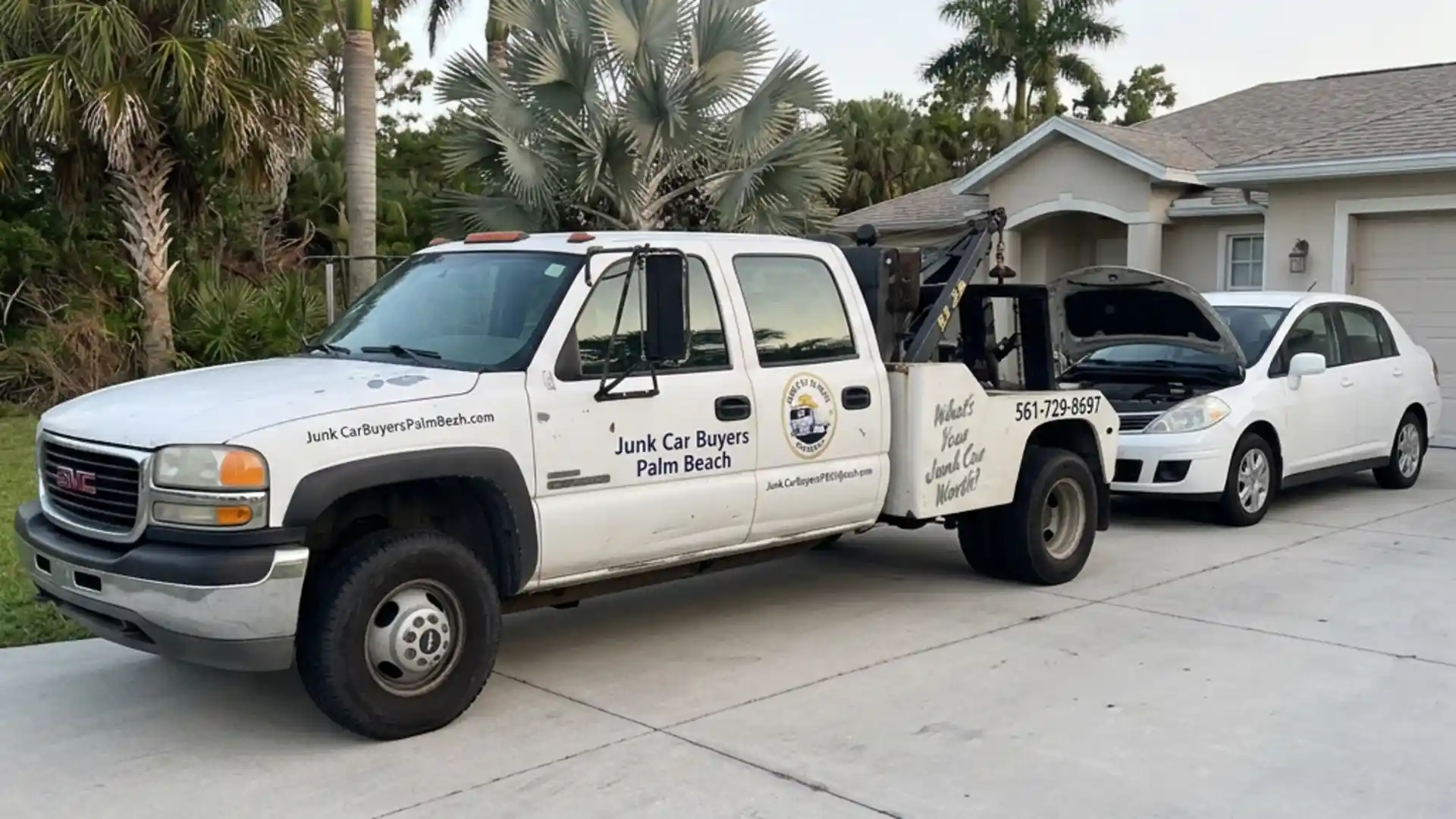
Understanding Battery Service and Inactive Vehicle Management
Evaluating the Condition of an Inactive Vehicle
When managing an inactive vehicle, the state of the power supply often creates uncertainty. Vehicles left stationary for extended periods frequently suffer from discharge, where the chemical energy within the unit depletes entirely. Identifying whether an engine fails to start due to a simple lack of charge or a more systemic electrical failure is a primary concern. Owners often find that older units lose their ability to hold a charge over time, rendering them ineffective even after attempts to restore power. Assessing this situation requires a clear understanding of the vehicle's storage history rather than immediate assumptions about mechanical viability.
In the context of Palm Beach County, humidity and heat can accelerate the degradation of chemical components within a power cell. If a car has been sitting in a driveway for months, internal plates may become sulfated, a process that is often irreversible. While some might consider attempting a restart, it is essential to prioritize safety and avoid complicating the vehicle's status. For those looking to transition from ownership to a sale, focusing on the overall operability of the car is more practical than spending resources on a temporary fix for a component that may no longer be reliable.
Identifying Potential Battery Damage and Safety Concerns
Visual inspection for battery damage is a critical step before interacting with a non-operational car. Swelling, leaking fluids, or significant corrosion around the terminal connections are clear indicators that the unit has reached the end of its useful lifespan. These physical changes signify that the internal structure is compromised, posing a risk if one attempts to manipulate or jumpstart the system. It is important to treat these symptoms with caution, as improper handling of damaged lead-acid components can release hazardous materials, which is why owners should refrain from unauthorized repair attempts on their property.
Recognizing these hazards early helps in communicating accurate information to professionals. Rather than guessing the cause of the failure, document the visible signs of decay to provide a clear picture of the vehicle's current state. This proactive approach ensures that any subsequent interactions regarding the car's removal are based on facts rather than speculation. Maintaining distance from a leaking or physically broken power system is a common-sense safety measure that preserves the integrity of your property while clarifying the necessary steps for safely managing the removal of a vehicle that no longer functions as intended.
Special Considerations for a Hybrid Vehicle
Managing a hybrid vehicle presents unique technical challenges compared to traditional internal combustion models. These vehicles utilize a complex high-voltage system that is distinct from standard starting circuits. If a hybrid sits idle for too long, the auxiliary battery that powers the vehicle's computer systems may die, preventing the car from engaging its primary propulsion system. Attempting to manage these components without specialized knowledge is not recommended, as the electrical architecture is inherently different and potentially sensitive to improper intervention. Understanding that this is a specialized category is vital for any owner seeking clarity on their specific vehicle type.
When discussing such equipment with potential buyers in Lake Worth, it is crucial to disclose the hybrid nature of the car accurately. The presence of high-voltage wiring and complex battery management software requires a different assessment process than a standard gasoline-powered sedan. By identifying the vehicle type clearly during the initial inquiry, an owner ensures that the conversation remains grounded in the reality of the car's technology. This prevents misconceptions about whether standard roadside solutions, like a basic jumpstart, would be either effective or safe for the sophisticated systems installed in these modern automotive configurations.
The Role of Professional Assessment in Battery Service
Professional battery service encompasses a wide range of needs, from diagnostic checks to decisions regarding replacement. However, it is important to distinguish between routine maintenance and the broader category of junk car purchasing. Many owners assume that because a service is listed, it implies an immediate, on-demand repair capability. In reality, assessing a dead power unit is often part of a larger conversation about the vehicle's overall future. Whether the car is a candidate for continued use or is better suited for disposal, professional evaluation helps narrow down the most appropriate course of action for your specific circumstances.
When you reach out for assistance, provide comprehensive details about the vehicle's symptoms and location. Being prepared with information such as how long the car has been stationary or any known electrical issues allows for a more informed discussion. This transparency is the cornerstone of effective communication, enabling parties to determine if the situation fits the available services. Remember that availability is not assumed; clarifying your needs through a direct conversation ensures that you receive the most accurate guidance, helping you avoid unnecessary delays or misaligned expectations during the decision-making process for your vehicle.
Communication Strategies for Effective Inquiries
Effective communication regarding your vehicle is the most efficient way to resolve concerns about its status. When you contact a professional, avoid the temptation to guess or downplay potential issues. Clearly describe the vehicle's location and any pertinent history that might affect its condition. For instance, mentioning if the car has been stored outdoors or if there is a known history of parasitic battery drain provides context that helps in evaluating the inquiry. Clear, concise information allows for a faster determination of whether the vehicle requires specialized transport or if the battery condition is a secondary issue to a more significant mechanical failure.
Engaging in this dialogue requires patience and a willingness to provide accurate details. Avoid generalized requests or assumptions about services that may not be offered, such as roadside mechanical restoration. Instead, focus on describing the vehicle's current state and your goal for the interaction. By clearly outlining whether you are seeking information about a potential sale or simply trying to move a problematic unit from your property, you create a focused path forward. This structured approach respects both your time and the resources of the professional, leading to a much more productive and satisfactory experience throughout the process.
Limitations and Realities of Non-Operational Vehicles
It is necessary to recognize the inherent limitations when dealing with an inactive vehicle. A car that has been dormant for a significant period may face issues beyond just a dead battery, such as seized brakes, dry-rotted tires, or structural degradation. These factors often mean that a simple battery fix is insufficient to make the vehicle operational again. Understanding that these problems often overlap helps set realistic expectations. It is rare for a single component repair to resolve the broader issues associated with long-term storage, which is why an honest assessment of the entire vehicle is always the most prudent choice.
Furthermore, geographical factors can impact the condition of immobile cars. Exposure to the elements, particularly in regions like Palm Beach County, can accelerate the weathering process, affecting everything from paint integrity to electrical harnesses. Acknowledging these limitations upfront allows you to plan accordingly. Whether you are aiming to fix the vehicle or decide it is time to sell, having a realistic outlook on the car's condition will prevent wasted time on impractical repairs. Focus on what can be controlled, such as providing accurate descriptions, rather than hoping for a simple solution that may not exist for your specific car.
Navigating the Decision-Making Process for Your Car
Ultimately, the decision to maintain or retire a vehicle rests on an accurate assessment of its overall utility and value. If a battery service inquiry reveals that the car needs extensive work, it may be time to evaluate whether that investment aligns with your long-term goals. Many owners find that after years of service, the cumulative cost of repairing minor electrical gremlins and mechanical failures outweighs the benefits of keeping the car. Viewing the situation objectively, with an understanding of both the vehicle's mechanical condition and the local market, will help you reach a definitive conclusion.
Taking control of this decision involves gathering information, reviewing your records, and speaking with those who can provide professional perspective. Whether you choose to proceed with repairs or look for a buyer, ensure that you have documented all relevant details. This preparation provides clarity and peace of mind, transforming an overwhelming situation into a manageable task. By focusing on facts and maintaining a clear, informed communication style, you can navigate the complexities of managing an inactive vehicle with confidence, ensuring that your final decision is the best one for your personal and practical needs.