Navigating the Decision to Buy Wrecked Cars and Manage Property Asset Liquidation
Understanding the Scope When You Buy Wrecked Cars
When you look to sell a vehicle that has sustained significant impact, the process of finding professional entities to buy wrecked cars begins with a candid assessment of the unit's current state. Many owners mistakenly assume that the severity of a collision automatically disqualifies a vehicle from consideration, but licensed purchasers often look at the underlying structure and remaining utility rather than just the aesthetic appearance of the body. In regions like Lake Worth, the priority for a buyer is establishing a clear picture of what happened during the incident, as this context dictates how the vehicle can be safely handled during subsequent transport.
It is essential to distinguish between a vehicle that is merely cosmetically impaired and one that presents significant safety risks due to structural instability or hazardous leakage. When initiating a discussion, being transparent about whether the car remains capable of rolling or steering is vital for logistics planning. Professional buyers throughout Palm Beach County require these details to determine if specialized equipment is needed for a safe removal. By providing an honest account of the car's current mobility, you help ensure that the evaluation process remains efficient and that any potential agreement is built upon accurate, actionable information from the start.
Documenting Accident Damage Through Systematic Assessment
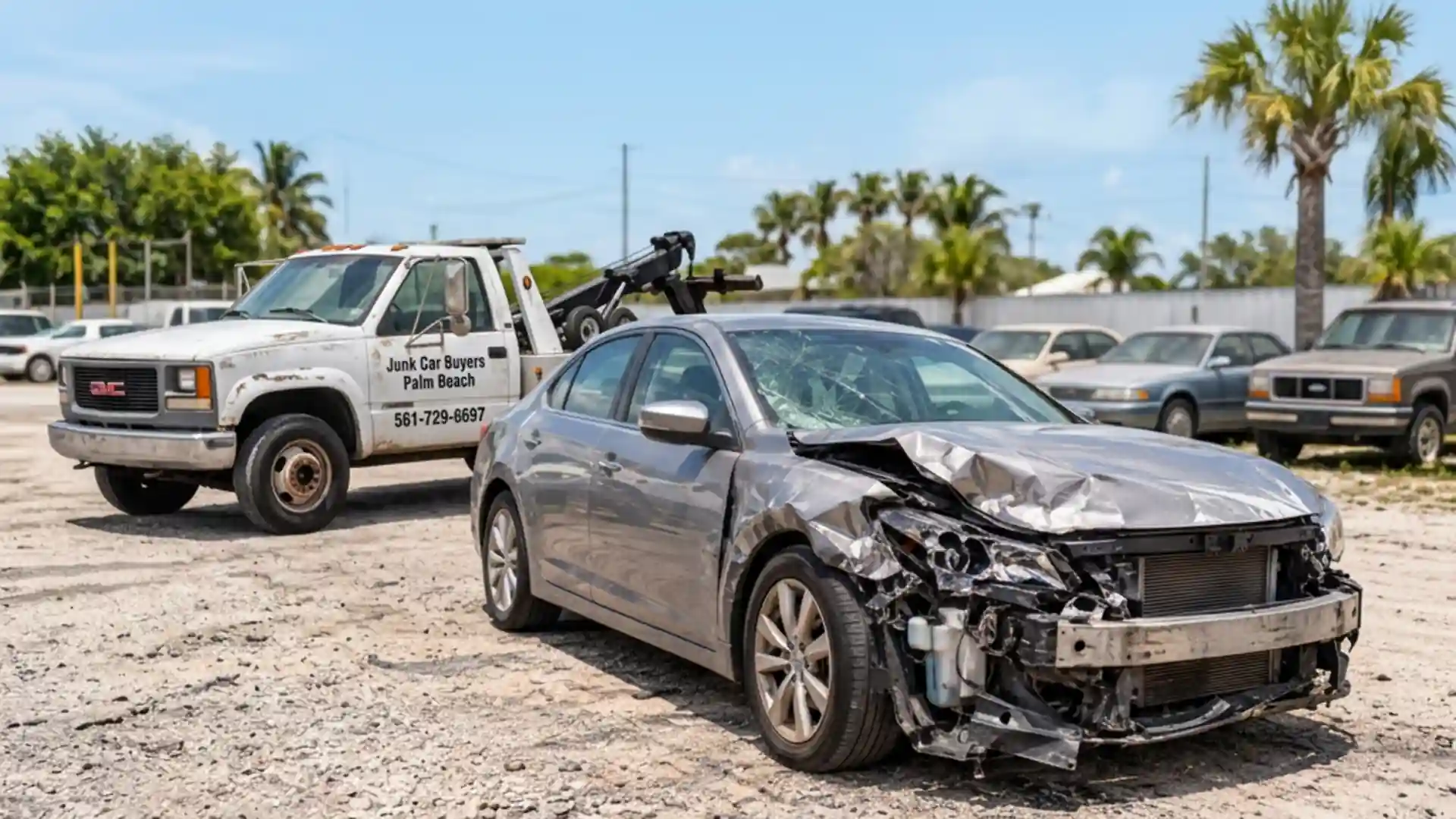
The most effective way to represent the condition of your vehicle is through the thoughtful collection of damage photos. Rather than providing only distant, unclear shots, focus on capturing specific areas where the impact occurred, including the frame, door alignments, and areas where internal components might be exposed. These visuals allow a buyer to visualize the extent of the accident damage without requiring them to be physically present at the storage site immediately. Clear images should also highlight any missing parts or broken glass that could pose a safety hazard during the loading process, keeping expectations realistic for both parties involved.
In addition to external damage, document internal indicators such as deployed airbags or visible fluid leaks under the chassis. Fluids like coolant, brake fluid, or oil can indicate more than just simple surface damage; they often suggest compromised lines or punctured tanks that change how the vehicle must be handled. Providing clear images of these areas helps the buyer understand the mechanical reality of the unit. This proactive approach to documenting the car's condition facilitates a smoother conversation, allowing the professional to evaluate the vehicle's viability while minimizing the risk of misunderstandings once the onsite inspection actually takes place.
Clarifying Insurance Ownership Status and Paperwork Requirements
Managing the paperwork after a collision often proves complex, particularly regarding the official ownership status of the vehicle. If an insurance carrier has declared the unit a loss, there may be specific title or lien-release documents that must be secured before a sale can proceed. Buyers frequently need to verify that the person initiating the inquiry has the full authority to dispose of the property, especially if the vehicle was part of a major insurance claim process. Always verify your specific requirements with the responsible authority or lender before attempting to initiate a transfer.
Always keep copies of any correspondence or settlement paperwork provided by your insurer, as these documents are critical for confirming the status of the title. If there is an outstanding lien, you should consult with your lender to obtain a formal release statement or payoff letter. Providing this clarity upfront prevents delays during the final transaction phase. Because requirements can vary significantly based on local regulations in Florida, taking the initiative to organize your ownership records demonstrates that you are prepared for a formal purchase agreement and are aware of the necessary administrative steps for a legal transfer.
Distinguishing Between Estimates and Actual Purchase Valuations
A common point of confusion for many sellers involves the difference between a shop-provided repair estimate and the offer generated by a company that buys wrecked cars. A repair estimate is essentially a list of parts and labor costs intended to return the vehicle to a pre-accident state, whereas a purchase offer is based on the residual value of the materials or components that remain salvageable after the accident. It is important to remember that shop estimates are rarely accurate predictors of a vehicle's value in a damaged state, as professional buyers factor in the cost of labor to safely dismantle and process the wreckage.
Recognizing this distinction helps manage expectations regarding the financial outcome of the sale. When you present an estimate to a buyer, use it as a reference for the scope of the damage rather than as a baseline for the purchase offer. The buyer is assessing the vehicle’s utility in its current state, accounting for potential challenges like seized engines or frame damage that were not prioritized in a retail-oriented repair quote. By focusing on the physical condition of the car rather than the repair costs, you can engage in a more pragmatic conversation about what the unit is truly worth as-is.
Addressing Incomplete Repair Estimates and Unseen Damage
Often, the damage visible to the naked eye is only a small fraction of the total accident damage. When a mechanic creates an estimate, they may miss hidden issues behind bumpers or under the dashboard that only become apparent during a deeper inspection. Professional buyers are well-versed in identifying these concealed risks, such as bent subframes, damaged steering columns, or compromised electrical harnesses. If you have any reason to believe there is deeper structural trouble, it is better to disclose those concerns early, as surprises discovered during the final pickup can lead to unnecessary complications or the termination of an agreement.
Understanding these limitations is part of the professional assessment process. A buyer must account for the time and tools required to manage a vehicle that might have locked brakes or a transmission that will not shift into neutral. If you have tried to perform temporary fixes yourself, ensure these modifications are clearly stated, as amateur repairs can sometimes interfere with the safe extraction of the vehicle. Being transparent about what is known and what remains uncertain regarding the interior mechanical systems allows the purchasing party to plan the correct recovery equipment, ensuring the process remains safe for everyone on site.
Logistics and Access Considerations for Damaged Vehicles
The physical removal of a vehicle that cannot operate under its own power requires specific considerations regarding access and safety. Before scheduling a collection, assess the area where the vehicle is stored to determine if a heavy-duty transport vehicle can maneuver safely. If the car is stuck in a tight garage, an apartment complex lot, or an uneven backyard, you must inform the buyer of these obstacles. Mentioning features like low-hanging branches, gates, or steep driveways ensures that the service provider can bring the proper equipment, preventing a situation where the vehicle cannot be reached or retrieved as planned.
Furthermore, safety protocols dictate that the area around the wreck must be free of debris or personal belongings that could obstruct the workers. Taking the time to clear items from the interior and around the exterior of the vehicle is a courtesy that aids in a faster, more efficient removal. Remember that professional removal is different from standard towing services; it involves careful extraction procedures that minimize further damage to the surrounding property. By confirming these logistics beforehand, you help create a predictable environment that allows the transaction to conclude without disruption or danger to the property or the personnel involved.
Finalizing the Transaction with Proper Documentation
Once a deal is reached, the focus should shift to the proper transfer of ownership and the final handover. Ensure that you have all relevant documents ready, including the title, which must be clear of any lingering questions or encumbrances. The transfer of the vehicle is not merely a physical exchange; it is a legal transaction that requires the correct signatures and the potential filing of paperwork with local authorities to release you from future liability. Failing to complete these steps can lead to ongoing administrative burdens, so prioritize having your documentation in order before the final appointment.
As the buyer prepares to take possession, maintain a record of the agreement terms to ensure clarity for both parties. This final step is an opportunity to confirm the details of the removal process and ensure that everyone involved understands the next steps for title finalization. While every situation has unique challenges, a structured approach centered on verified information and legal compliance allows for a smooth conclusion. By remaining organized and responsive throughout the discussion, you facilitate a professional experience that addresses the needs of the owner while respecting the technical realities of the vehicle's condition.