Discovering Mangonia Park: A Guide to Florida's Hidden Gem
Historical Roots of Mangonia Park
The story of Mangonia Park, Florida, is deeply tied to the agricultural heritage that once defined the northern reaches of Palm Beach County during the early 1900s through the 1930s. The region was once known for sprawling mango groves, an influence so significant that it eventually dictated the town's official name. Originally, founders petitioned to be recognized as Magnolia Park; however, after state officials noted the name was already taken, the community adopted its current, distinctive moniker instead. This transition cemented a unique identity that separates the municipality from its larger, more urbanized neighbors in the immediate vicinity.
Incorporated in 1947, the town represents a conscious effort by early residents to preserve their autonomy from the surrounding city growth. What began as a small collection of homes near the former Voss Road—now known as Australian Avenue—has evolved significantly over several decades. The early town pioneers famously relied on community events like fish fries and local barbecues to fund basic civic services and infrastructure long before tax revenue became a stable reality. Today, the town reflects a blend of that small-town spirit with modern administrative practices, serving as a distinct, quiet enclave situated firmly within the broader South Florida landscape.
Navigating the Local Geography
Situated in the north-central part of Palm Beach County, Mangonia Park occupies a compact land area of approximately 0.75 square miles. The town is positioned as a key component of the Uptown West Palm corridor, sharing borders with the cities of Riviera Beach and West Palm Beach. Understanding the layout requires familiarity with Australian Avenue, a primary corridor that has historically served as a boundary and transit artery for the area. Despite its small size, the community is strategically located, offering convenient access to regional infrastructure while maintaining a distinct boundary that separates it from the neighboring dense urban environments.
When reading a map of this community, one will notice the efficient use of land for both residential and industrial purposes. The town’s layout is largely flat, typical of the region, and it is entirely defined by land area with no significant inland water bodies within its corporate limits. Because it is surrounded by larger municipalities, visitors should note the subtle shifts in municipal service jurisdictions when moving between the town and its immediate neighbors. Residents benefit from this central positioning, which places them within a short distance of regional transit options while retaining the atmosphere of a smaller, more contained local municipality.
Civic Life and Governance
Governance in Mangonia Park follows a structured council-manager format, which is designed to ensure efficient administration of daily operations. The town council is comprised of five at-large seats, with members elected to serve staggered three-year terms, ensuring a consistent rotation of leadership. Municipal elections occur annually in March, managed through the Palm Beach County Supervisor of Elections Office. This professional administrative setup allows the town to manage its services effectively, balancing the needs of its residential population with the significant portion of the town dedicated to commercial and industrial business, which accounts for approximately 70% of the land use.
Public engagement remains a cornerstone of the town’s civic life, with council meetings held regularly on the first and third Tuesday of each month at the Municipal Center on East Tiffany Drive. This facility, which was dedicated in 1988, serves as the central hub for administrative staff, the Town Clerk’s office, and the local meeting chambers. It also hosts District-II personnel from the Palm Beach County Sheriff’s Office, who have provided law enforcement services under contract since 2007. Residents are encouraged to participate in these meetings to stay informed about local policy decisions and community development initiatives directly affecting their neighborhood and quality of life.
Public Recreation and Local Landmarks
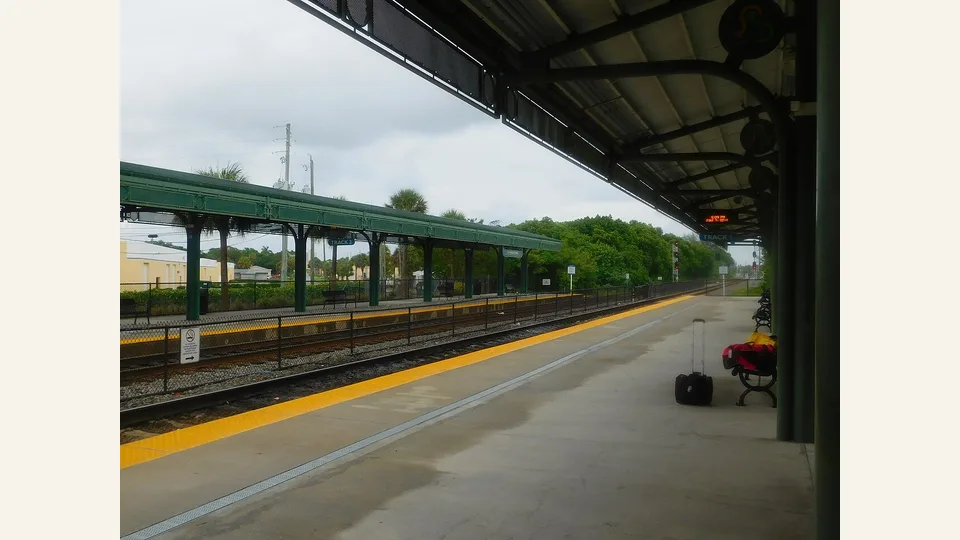
While the town is predominantly industrial and commercial, it provides residents with accessible public spaces dedicated to community heritage and outdoor enjoyment. One notable site is the public park located at 1233 West 53rd Street, which was officially dedicated in honor of former Mayor Addie Greene in 2008. This green space offers a spot for local relaxation within the town's residential sectors. Furthermore, the Mangonia Park Station serves as a vital connection point for the Tri-Rail commuter train, providing residents with an easy, public-transit link to the wider Palm Beach County region and beyond, emphasizing the town’s connectivity to South Florida hubs.
For those seeking broader outdoor recreation, the area offers proximity to stunning natural attractions just outside the municipal boundaries. Lake Mangonia, a expansive 540-acre lake, is a highlight for boaters and fishing enthusiasts who frequent the nearby boat ramp to catch species like largemouth bass. Additionally, the Grassy Waters Preserve is situated nearby, offering an immersive look into Florida’s native wetlands and pristine ecosystems. While these sites are technically located outside the town's specific borders, they function as essential recreational assets for the local community, which enjoys easy access to these natural wonders within the surrounding northern Palm Beach County landscape.
Community Identity and Demographics
The community of Mangonia Park holds a diverse population, which has seen steady growth according to the most recent census data. With a population recorded at 2,142 in 2020, the town maintains a demographic profile that includes a significant portion of young families and a strong sense of community stability. The housing market is varied, providing a mix of living options that appeal to a wide demographic range, while the town remains a part of the greater Miami metropolitan area. This blend of individuals contributes to a vibrant local culture, grounded in the history of the families that helped build the town from the ground up.
Residents of Mangonia Park enjoy a life that is defined by both its accessibility and its unique, tranquil character. Although it acts as a quiet enclave, it is never disconnected from the regional energy of Palm Beach County. The town remains an attractive option for those who value proximity to major employment centers while preferring the intimate environment of a smaller municipality. Whether it is through participating in local festivals or utilizing the regional transit access provided by the local rail station, those who live here find a balanced lifestyle that respects the town's historical roots while looking toward the future of the region.
Planning Guidance and Considerations
When visiting or choosing to reside in Mangonia Park, it is helpful to understand the town's emphasis on industrial land use, which shapes the local economy and traffic patterns. Since commercial and industrial activities make up the majority of the land area, residents should consider that certain zones are dedicated specifically to these uses, contributing to the town's overall tax base and financial health. Traffic generally moves efficiently along the main corridors, but as with many parts of the region, it is sensible to allow for extra travel time during peak commuting hours when moving toward neighboring West Palm Beach or Riviera Beach.
Prospective visitors or new residents should check the official town website, tompfl.com, to stay updated on current office hours, meeting schedules, and any specific community ordinances that may be in effect. Accessibility is a priority for the town administration, and staff at the Municipal Center are available to provide guidance on municipal services, permits, or general inquiries. By staying connected with local government communications, residents can ensure they are fully aware of any regional development projects or community events. Taking a proactive approach to understanding local governance and infrastructure will greatly enhance the experience of living or working in this unique Florida town.
Professional Vehicle Disposal
If you are a resident of Mangonia Park or the surrounding area and have an unwanted vehicle, consider contacting a professional service for a smooth transaction. Residents often prefer to deal with a licensed buyer located nearby in Lake Worth who offers a secure, appointment-only process. This approach is highly convenient for those who wish to avoid the complexities of private listings or dealer trade-in negotiations, as it ensures the entire process is handled by a local expert who understands the requirements of Palm Beach County residents. Appointments allow for a focused, efficient service that respects your personal time and provides clear, direct communication throughout the sale.
Choosing to work with an appointment-only buyer ensures that your vehicle disposal needs are met with precision and professionalism. By scheduling a visit with a trusted local professional in Lake Worth, you can secure an orderly sale without the stress of open, public marketplaces. This service is designed to be simple and helpful for anyone looking to clear out an older or unused car from their driveway. Always prioritize safety and verified credentials when arranging any transaction involving your vehicle. With local experts available to manage the logistics, you can finalize your vehicle sale with confidence and peace of mind within the community.