
A Comprehensive Guide to Vehicle Recycling and End-of-Life Decisions
Understanding the Lifecycle of an End-of-Life Vehicle
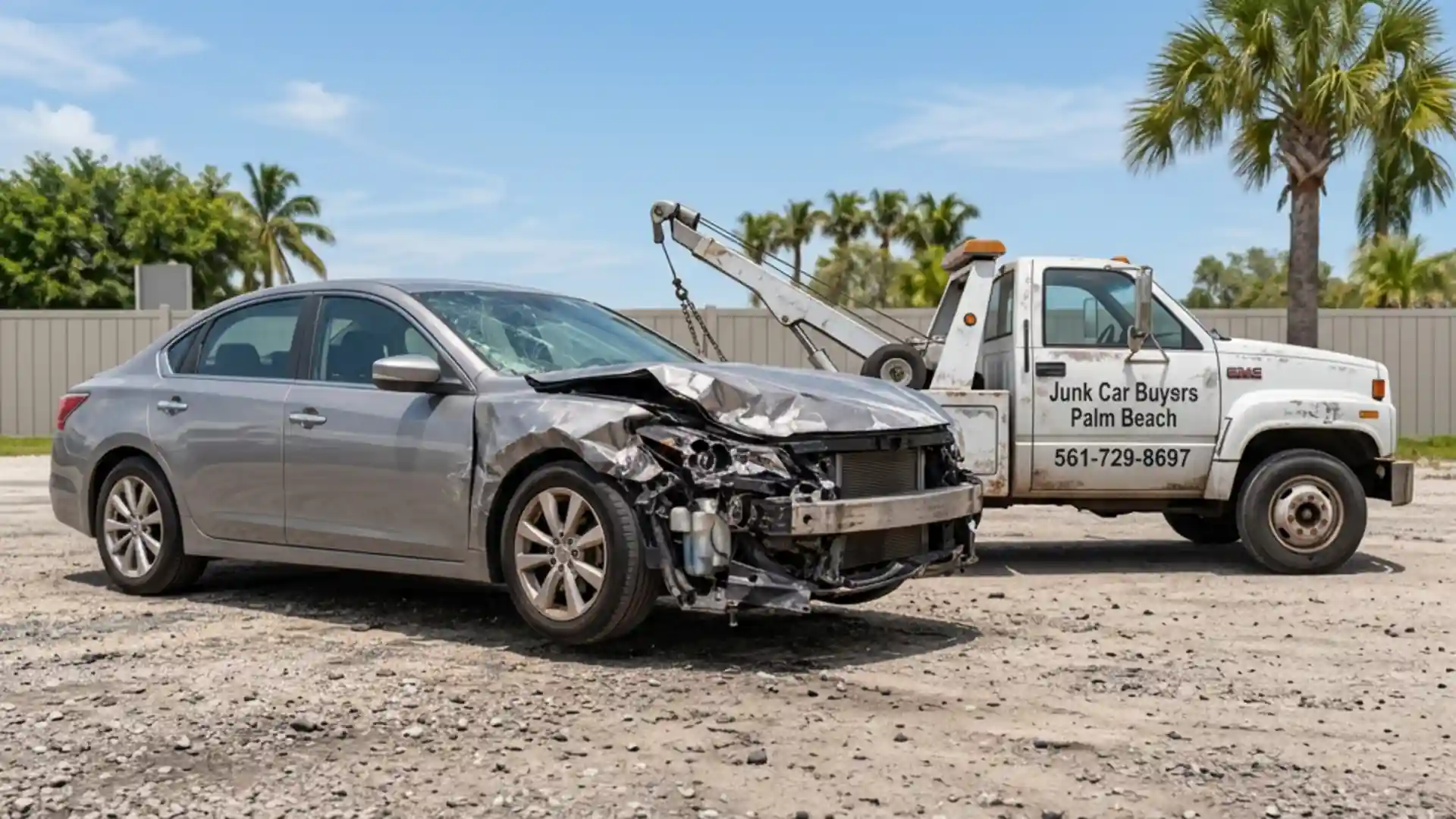
When a car reaches a point where it is no longer suitable for daily road use due to age, mechanical failure, or significant damage, it enters the category known as an end-of-life vehicle. Managing this transition requires an understanding of how professional buyers assess the situation. Rather than viewing an old car simply as waste, it is helpful to consider the structural and material components that remain valuable. In the context of Lake Worth and the broader Palm Beach County area, owners should focus on the transition from an operational asset to a decommissioned unit that requires specific handling procedures.
The process of vehicle recycling involves careful evaluation of the car's current condition, which directly influences the nature of any offer received. Owners often wonder about the specific destination of their vehicle once it leaves their property. It is important to ask potential buyers about their processes, as these differ significantly between organizations. Engaging in a clear conversation allows you to establish realistic expectations regarding the removal timeline and the professional assessment of the vehicle's remaining value, helping you navigate the shift from a repair-focused mindset to a responsible disposal decision that prioritizes transparency throughout.
Documenting Vehicle Identifiers and Ownership Records
Maintaining accurate documentation is a critical step when you decide to pursue vehicle recycling. Before any transaction takes place, you must be prepared to verify your ownership through proper documentation, such as a valid title. If the title is missing or if there is an active lien on the vehicle, these factors must be addressed with the appropriate authorities or lenders before you can transfer ownership. Ensuring that all legal documentation is in order helps protect your interests and provides a clear pathway for the buyer to process the transfer without unnecessary complications or delays.
In addition to title documentation, keeping track of vehicle identifiers is essential for your personal records and the safety of the transaction. Note the vehicle identification number and other pertinent details that define the unit. Establishing a formal handoff record serves as evidence that the transaction has concluded and that the responsibility for the vehicle has passed to the buyer. By preparing these records ahead of time, you create a structured approach to the disposal process, ensuring that you maintain a clear, chronological history of your property and its final state prior to its retirement from the road.
Evaluating Material Condition and Environmental Responsibility
Environmental responsibility is a frequent topic of interest for those seeking to remove an unwanted car. While many owners hope for comprehensive recycling solutions, it is important to separate genuine professional processes from unsupported promises of perfection. Ask direct questions about how the buyer manages hazardous materials like fluids or battery acid to understand the practical reality of their operation. By understanding that professional recycling focuses on the organized recovery of metals and reusable parts, you can better appreciate the systematic approach taken by licensed entities that operate within established safety guidelines.
Assess your car's physical condition with an objective eye, as this informs how a buyer will handle the vehicle upon arrival. Hazards such as leaking fluids, sharp body edges from accidents, or unstable structural frames are important factors that must be communicated clearly during your initial inquiry. In the Palm Beach County region, providing an accurate description of these conditions ensures that the buyer can arrive with the appropriate equipment for a safe extraction. This level of clarity helps mitigate potential safety risks and ensures that the physical removal of the car proceeds in a controlled, professional manner.
Preparing for the Handoff and Site Access
Successful vehicle recycling relies heavily on planning the physical handoff. Whether your vehicle is parked in a tight garage, a driveway, or an open lot, accessibility is a primary factor. You must ensure that the path to the vehicle is clear of obstacles, debris, or other items that could complicate the collection process. If your car is parked behind a gate, ensure that you have the necessary permissions to provide entry and that you communicate these specific access requirements to the buyer well in advance to avoid any unexpected logistical hurdles during the appointment.
Coordination is key when working within a local context like Lake Worth. Property owners should discuss the specific constraints of their location, such as low clearance or tight turning radii, to ensure the professional buyer can manage the pickup effectively. Do not assume that every site can accommodate heavy towing equipment; instead, be descriptive about the terrain and the proximity of the car to public access points. This preparation demonstrates respect for the logistics involved in moving a non-running unit and helps facilitate a smooth transition, ensuring the car is successfully removed without damaging surrounding property or interfering with neighbors.
Comparing Offers and Understanding Transaction Dynamics
When you receive multiple offers for an end-of-life vehicle, it is important to distinguish between competitive pricing and unrealistic claims. A professional buyer will evaluate the vehicle based on current market conditions, material value, and the logistics of the specific removal. If one offer seems significantly higher than others, ask questions to understand what criteria were used to determine that figure. Avoiding firms that rely on high-pressure sales tactics or vague promises of instant, guaranteed payouts is a sound strategy for ensuring a professional and respectful transaction throughout the entire assessment phase.
Remember that the value of a car in this category is rarely fixed. The state of the market, the cost of labor involved in the dismantling process, and the location of the car all play roles in the ultimate offer. Be wary of any company that makes absolute claims about payment methods or provides a fixed price without having seen photographs or receiving a detailed disclosure of the vehicle's history. By approaching the negotiation as a professional exchange of information, you maintain control over the decision and ensure that the process reflects your actual goals for vehicle recycling.
Questions to Ask Before Finalizing the Removal
Before finalizing the agreement, use your phone call to clarify the entire process. Beyond asking about the payment and the price, inquire about the professional credentials of the buyer and their experience with local regulations in Palm Beach County. Ask what happens if the condition of the car changes before the pickup date, or if there are unexpected issues with the documentation. A professional, legitimate buyer will provide clear, concise answers to these questions, giving you the peace of mind that comes from knowing exactly who you are working with and how they operate.
You should also ask about the limitations of the service. For instance, confirm if the buyer handles the removal personally or if they use third-party contractors, as this impacts the continuity of the process. Discuss what steps are taken if the vehicle is not ready for transport on the scheduled day, such as a flat tire or an engine failure that occurred during storage. Establishing these parameters early in the conversation helps you avoid misunderstandings and ensures that you have a backup plan should circumstances change, reinforcing the importance of clear communication as the foundation of any successful vehicle disposal.
Managing Sentimental Value and Practical Realities
Many car owners find it challenging to let go of a vehicle that has been part of their life for years. It is perfectly normal to feel a sense of attachment to an end-of-life vehicle, yet it is essential to separate these emotional factors from the practical reality of its current utility. Keeping a small, physical record of the car—like a photo taken before it is towed away—can serve as a helpful memento while allowing you to move forward with the necessary steps for proper disposal. This approach balances respect for your memories with the pragmatic need to clear space.
By focusing on the facts of the vehicle's condition, you can transition more calmly toward a final resolution. Understand that once you have agreed to the terms of the recycling process, the car will move into a cycle of processing where its parts and materials are given new utility. This perspective can make the final handoff feel more productive, knowing that the vehicle is no longer a burden or a space-consuming obstacle on your property, but rather a resource that is being responsibly managed by professionals who understand the technical aspects of end-of-life automotive handling.